IGN Finally Paid Out That $100 Luigi Bounty. It Only Took 30 Years.
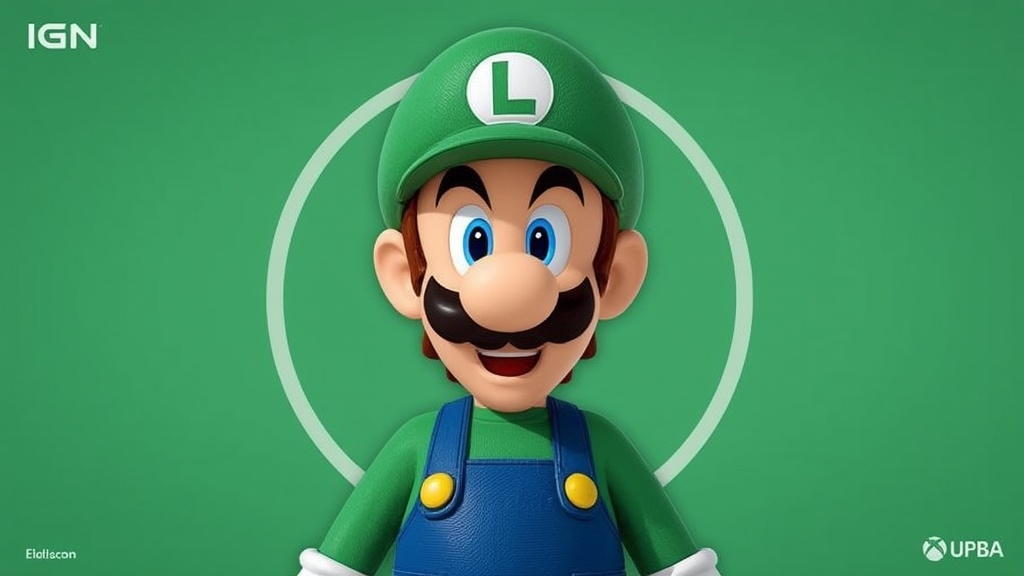
In 1996, IGN posted a $100 bounty for proof that Luigi was secretly hiding in Super Mario 64. They just paid it out in 2026. Not because someone found him. Because a massive Nintendo data leak settled the question for good, and IGN donated the hundred bucks to charity. That's the whole story, and it's kind of perfect.
The Bounty That Started Everything
Super Mario 64 launched in 1996 with 120 stars to collect and one very suspicious piece of texture work. In the courtyard of Peach's Castle, a blurry sign reads "L is Real 2401." Nobody could agree what it meant. Luigi was the obvious guess. He'd been Mario's partner since 1985. Where was he?
IGN posted the bounty on what was then called N64.com. Find Luigi, prove it, get $100. That site became IGN64, then IGN. The bounty just... sat there. For three decades.
Nintendo of America sent a letter around 1998 saying "L is Real" was a joke from the developers. Players didn't buy it. The sign was too specific. The number 2401 had to mean something. If you collect all 120 stars you unlock a secret Yoshi on the roof of the castle, so the game clearly had hidden content. Why not Luigi?
Miyamoto Confirmed the Cut, But Nobody Wanted to Hear It
Here's the thing: Shigeru Miyamoto already answered this in the game's official Japanese strategy guide. Luigi was planned, cut due to memory limitations. That's it. The N64 couldn't hold both brothers at once at the fidelity they were going for.
He made the DS port eventually. Luigi's in that version. The mystery was always more about what we wanted to believe than what the evidence actually showed. "Memory issues" isn't a satisfying answer when there's a cryptic sign with numbers on it.
The Gigaleak Killed the Mystery Properly
In July 2020, the Nintendo Gigaleak dropped. Massive internal data, prototypes for Yoshi's Island, Super Mario Kart, Star Fox 2. And the Super Mario 64 source code.
A software engineer and visual artist named GlitchyPSI wrote a program to convert raw texture data from the code into PNG files. On July 25, 2020, they found Luigi's textures. A white circle with a green L. He was in there. Not as a playable character, not hidden somewhere in the game. Just texture assets from development, cut before release, sitting in the code for 24 years.
July 25, 2020 is exactly 24 years and one month after the game's original Japanese release. That timing is genuinely eerie. Probably coincidence. But still.
Star Fox developer Dylan Cuthbert commented publicly about the leak. The industry noticed. This wasn't some forum find. The source code was real.
The Payout
IGN settled the 30-year-old bounty in 2026. A hundred dollars, donated to AbleGamers, a charity that works on reducing social isolation and improving quality of life for people with disabilities. Good use of the money, honestly. Better than cutting a check to whoever submitted the Gigaleak findings.
The bounty was never going to be paid out the original way. Nobody was finding Luigi in a retail cartridge because he wasn't there. The Gigaleak found his ghost instead. IGN closing the loop by donating to charity rather than just quietly dropping the whole thing is the right call.
What It Actually Was
The Luigi conspiracy lasted 30 years because people wanted it to. The sign was real. The number was specific. The game had secrets. Everything pointed at something being there.
What was actually there: development textures for a character who got cut. A sign that was probably a joke, or maybe a reference to something, or maybe just noise that players projected meaning onto. Miyamoto said memory constraints. He was right. The source code confirmed it.
That's not a letdown to me. A 30-year mystery that got definitively answered by a massive data leak, with the original bounty paid out to charity three decades later? That's a better ending than finding Luigi behind a star door somewhere.
Source: Ign